- Home
- Products
- Contact
© Copyright 2025 MineTrace - All Rights Reserved
Ghana is a politically stable country with a lower middle-income economy. It is currently the largest gold exporter in Africa, generating 96.98 percent of gross mineral revenue in 2021. The artisanal gold mining sector (ASGM) accounts for approximately 40% of the total gold production output and supports 6 million direct and indirect livelihoods. The Minerals Commission is the state-owned institution that regulates the mining sector; facilitating a robust legal framework for mining companies to conduct their activities.
On the other end of the gold supply chain, LBMA GDL refiners refined 5,038 tonnes of gold in 2020/21, including 63% of all newly mined gold. Of this, 21 tonnes were recorded as being from ASGM, 3% of the estimated world annual Artisanal and Small-Scale Gold Mining (ASGM) production of 700 tonnes, worth an estimated USD1.38bn.
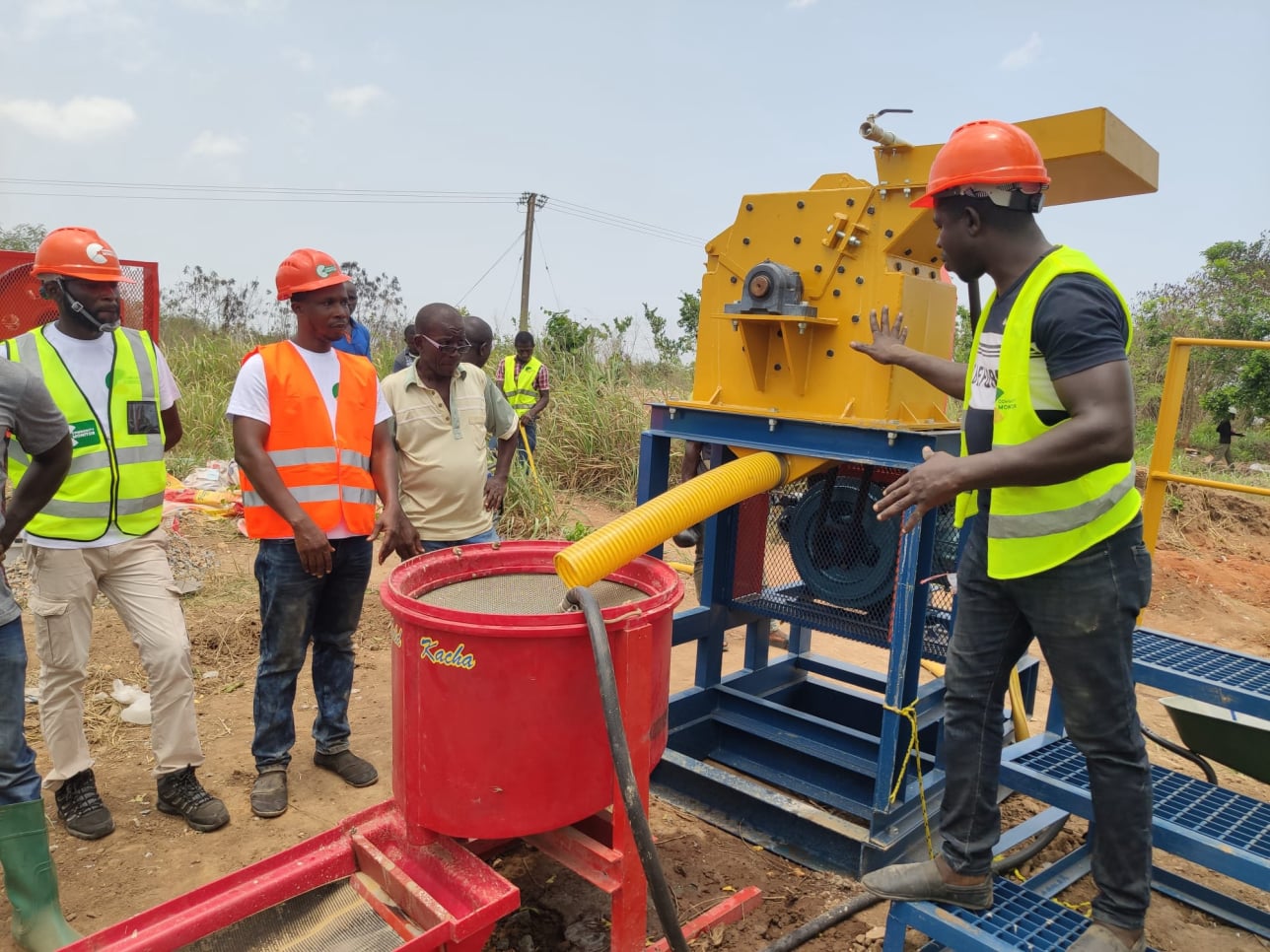
Although gold is an important foreign exchange earner and is a major contributor to the GDP in Ghana, the potential of gold resources to effectively contribute to economic growth and sustainable development has not been fully leveraged. There is an opportunity to bridge the gap with LBMA GDL refiners however there are several reasons why this prominent group of international refiners does not refine much ASM gold which include the following:
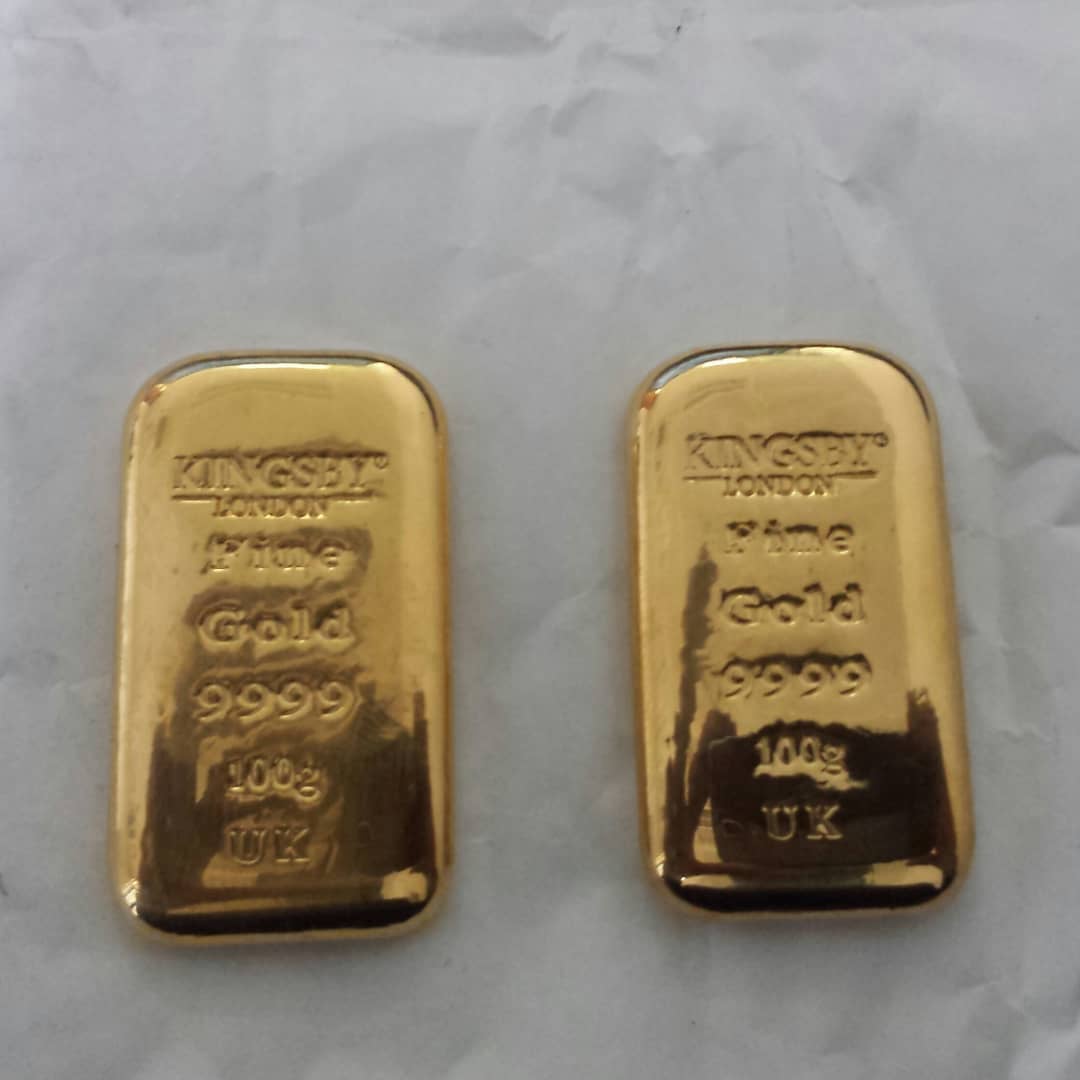
Our flagship mining project in Adomanu, Ashanti Region of Ghana is managed by Typhoon Greenfield Development Ltd and Foks Investment and Mining Ltd. They are legally classified as small-scale mines that once formed part of Anglogold Ashanti PLC. The significant mineral resource was relinquished for large-scale community mining. MineTrace is collaborating with The Development Gold Ghana Performance Standard. It aligns mining practices with OECD, SBGA, LBMA, and the CRAFT Standard - facilitating a route to market for responsibly mined gold from Ghana.
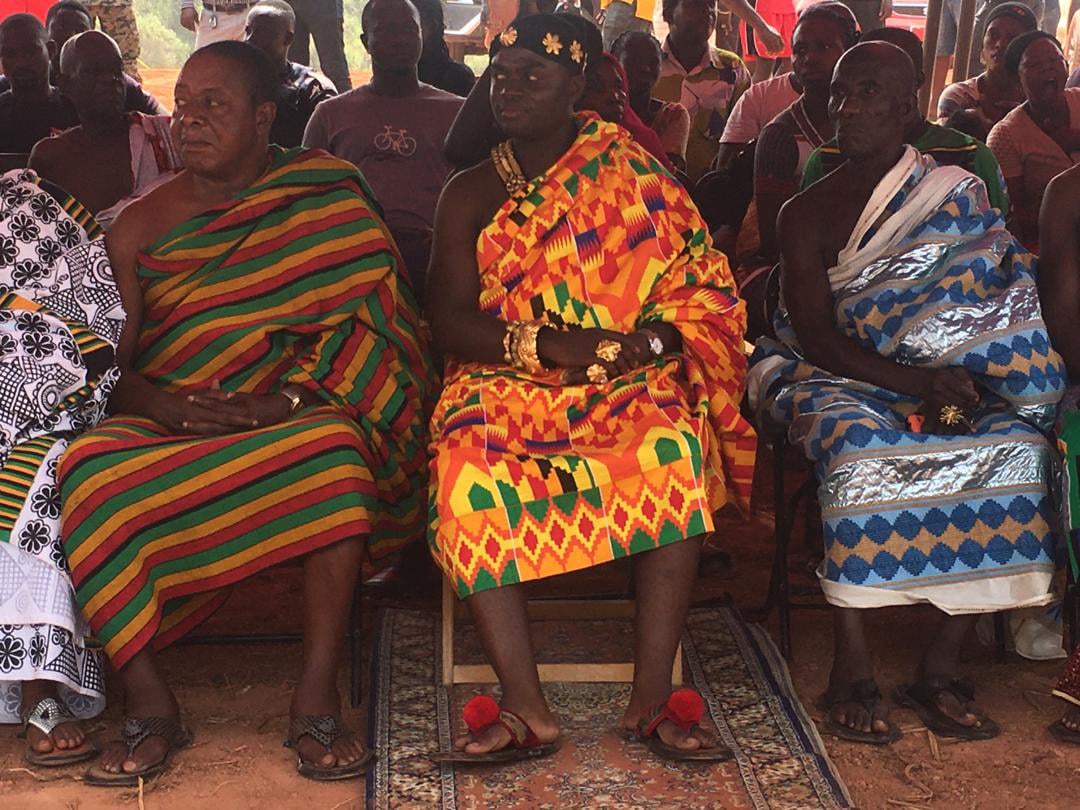
The challenges borders around the compilation of up-to-date due diligence documentation such as company policies, registration documents, licenses, etc. Staff personnel also requires training in the interest of promoting good governance and legal compliance. The project goal was to develop a digital gold trading app, that could also serve as a due diligence management system to streamline and segregate traceable gold transactions from mine to market. The system had to be built on the OECD inventory management recommendations, to foster trust and confidence in certified ASGM mines and supply-chain counterparties.
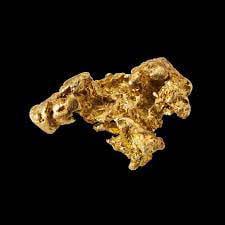
The technologies deployed in the Development Gold Ghana Flagship Project have resulted in the following:

Assignment of a compliance officer authorised to oversee the supply chain due diligence process. Different levels of access enable authorised users to approve due diligence documentation and onboard new suppliers.
Creation of internal documentation and records of supply chain due diligence processes.
Maintenance of internal inventory and transaction documentation that can be retrieved and used to retrospectively identify gold inputs and outputs and support a chain-of-custody system including:
The form of gold
The weight and assay gold value and determinations of the weight and assay of gold inputs and outputs
KYC/DD information on suppliers
Unique reference numbers for each input and output
Dates of input and output, purchase and sales
Alignment with OECD/LBMA criteria
A computerised database management system that can maintain the information collected for a minimum of five years.
Metal account with a leading Swiss-based GDL refinery
Approval of supply chain counterparties to participate in the Bank of Ghana Gold Domestic Gold Purchase Programme


Minetrace enables supply chain counterparties to calculate assay values, and prices on any given day - facilitating gold transactions. The system can generate invoices and reports based on user’s requirements.
In collaboration with DG International, who is responsible for site monitoring, due diligence, certification, and facilitating third- party assessments, MineTrace's digital inventory management system was implemented for the Adomanu-based mining projects. Data collection begins at the mine site where locally trained field agents use the MineTrace web-based, mobile application loaded on a smartphone to track and segregate gold batches from each pit to the point of sale, where it is weighed and placed in secure tamper-proof boxes with individual QR codes on which the date, weight, value, location, and other relevant data are recorded.
This enables downstream stakeholders to view and easily assess risks and improvements in their upstream supply chain. Authorised users upload information to the MineTrace Web Platform within the application, allowing buyers to access relevant traceability and due diligence information about the source of their gold before/after export.